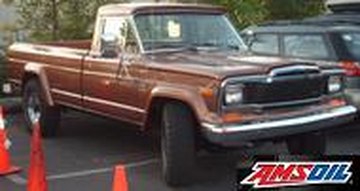
Maintaining Lubrication Standards for the 1982 Jeep J20 PICKUP 5.9L
Proper engine care for a vehicle like the 1982 Jeep J20 PICKUP requires a disciplined approach to fluid management and mechanical inspection. With a large-displacement 5.9L engine, maintaining the integrity of the lubrication system is a primary component of long-term engine health. Because this vehicle was manufactured several decades ago, maintenance strategies should focus on monitoring current component conditions rather than relying solely on age-based assumptions.
Monitoring Fluid Integrity and Potential Seepage
A critical part of routine service for this pickup involves the regular observation of the engine bay for any signs of fluid loss. Over time, various gaskets and seals may experience changes in their ability to maintain a tight seal. When performing inspections, look for evidence of seepage or active leaks around the engine block and sealing surfaces. Even small amounts of oil residue can indicate that a seal is beginning to age.
If you notice wetness or dark staining on the underside of components, it warrants further investigation. It is important to remember that visible oil may originate from several different areas; therefore, a single sign of leakage does not automatically identify a specific failed component. Instead, use these observations to prioritize which areas require closer inspection during your next service interval. Keeping the engine exterior relatively clean can also make it much easier to spot new or increasing leaks early.
Observing Changes in Engine Performance and Indicators
Beyond visual inspections of the engine exterior, owners should remain attentive to how the vehicle behaves during operation. Changes in how the engine sounds or smells can be significant indicators of lubrication-related issues. For example, an unusual odor that develops after the engine has reached operating temperature may suggest that oil is contacting a hot surface. Similarly, any unexpected mechanical noises should be investigated promptly.
If the vehicle is equipped with specific warning lights or gauges related to engine operation, these should be monitored closely. Any sudden change in a gauge reading or the illumination of a warning indicator requires immediate attention. It is also useful to monitor for any unusual exhaust characteristics; while smoke can be caused by many different factors, changes in exhaust appearance can sometimes be associated with how the engine is managing its lubricants. Always treat new or changing symptoms as a prompt for a professional diagnostic check rather than attempting to pinpoint a specific cause through observation alone.
Prioritizing Maintenance Based on Current Condition
For an older vehicle, the most effective way to manage maintenance is to move away from rigid schedules and toward condition-based monitoring. This means using the actual state of the vehicle to decide which tasks are most urgent. If you do not have a complete service history for the 1982 Jeep J20 PICKUP, your first priority should be establishing a baseline. This can be done by performing a thorough inspection of all fluids and checking for any evidence of previous neglect or inconsistent maintenance.
Once a baseline is established, you can prioritize tasks more effectively:
- Address active concerns: If an inspection reveals an active leak or a change in fluid color, address these issues before moving on to general preventive tasks.
- Monitor consumption: Keep a record of how much oil is added between service intervals. A sudden increase in the amount needed can be a useful data point for future maintenance decisions.
- Inspect aging materials: Periodically check the condition of hoses, if present, and any accessible belts, if equipped, for signs of cracking, glazing, or fraying.
- Review records: Documenting every oil change, filter replacement, and repair helps you identify patterns that might indicate a need for more frequent service or a specific component's decline.
Managing Engine Oil Quality and Contamination
The quality of the lubricant used in the 5.9L engine plays a vital role in managing internal cleanliness. Over time, all lubricants can undergo changes due to thermal stress and exposure to combustion byproducts. This can lead to the formation of deposits or sludge if the oil is not changed according to a consistent schedule. Maintaining fresh oil helps ensure that the lubricant continues to provide effective protection against friction and heat.
When considering different types of lubricants, it is helpful to understand the general differences between formulations. Some high-mileage oil formulations contain additives intended for use in aging engines, including seal-conditioning additives that may help maintain the flexibility of certain components. While synthetic oils and synthetic blends are widely available and offer different thermal stability profiles compared to conventional oils, the most important factor is ensuring the lubricant meets the specific requirements of the application.
Practical Steps for Long-Term Ownership
Successful long-term ownership of a classic pickup involves more than just periodic oil changes; it requires an organized approach to documentation. Maintaining a dedicated folder or digital log for your 1982 Jeep J20 PICKUP allows you to track the life cycle of various components. When you know exactly when a filter was last replaced or when a specific leak was addressed, you can make much more informed decisions about whether a part needs replacement or if it is still performing adequately.
If you are working with a vehicle where the previous maintenance history is unknown, do not feel pressured to replace every aging component immediately. Instead, focus on "preventive" versus "reactive" maintenance. Preventive maintenance involves replacing items that are showing clear signs of wear (like a frayed belt, if equipped) to avoid future failure. Reactive maintenance involves addressing something that has already begun to show symptoms. By balancing these two approaches, you can manage the upkeep of your vehicle efficiently without performing unnecessary work.
Buying Engine Oil for your 1982 Jeep J20 PICKUP 5.9L
When it is time to replenish your engine's lubricant, accuracy in selection is paramount. You should not rely on general automotive knowledge or assumptions based on the age of the vehicle to determine which grade to purchase. Instead, match the engine oil to the application-specific viscosity information shown above on this page.
Before making a purchase, always check the product labeling to ensure the oil meets the appropriate API certification for your needs. Whether you choose a conventional, synthetic blend, or full synthetic formulation, the most critical factor is that the viscosity and quality specifications align with the data provided for this specific 5.9L engine. By following the application-specific guidance listed on this webpage, you ensure that the lubricant is appropriate for the mechanical requirements of your Jeep.